Connecting People & Nature on Long Island
Every wild life deserves a second chance.
We’re a Long Island nonprofit protecting wildlife through public education, humane coexistence, and support for the independent volunteer wildlife rehabilitators who care for animals in need.
Long Island Wildlife Education Project, Inc. is dedicated to protecting wildlife through public education, promoting humane coexistence, and supporting the licensed wildlife rehabilitators who give animals in need a second chance. Building compassion, one community at a time. Our Mission
What We Do
We protect wildlife through education, coordination, advocacy and fundraising.
Educate
We create and share educational materials, programs, and experiences that bring Long Island’s wildlife to life for learners of all ages.
Support Rehabilitators
Wildlife rehabilitators are independent volunteers who rescue and raise injured and orphaned animals, almost always unpaid. Supporting them is our core purpose, including our monthly Wildlife Hero of the Month.
Inspire Action
We turn awareness into action, giving our community simple, real ways to help protect local wildlife every day.
Your gift keeps Long Island wild.
Every animal we help protect starts with someone who cared enough to learn. Your donation funds the educational materials, programs, and wildlife rehabilitator support that make it possible.
Donate NowYour gift is tax-deductible
About Us
People protect what they understand and love.
Long Island Wildlife Education Project, Inc. is a 501(c)(3) nonprofit founded to bridge the gap between Long Island’s people and its wildlife. We believe education is the most powerful tool we have for protecting the natural world.
Compassion
Every wild life has value, and every person can learn to be a better neighbor to them.
Education
Lasting change starts with understanding. We make wildlife knowledge accessible to everyone.
Community
Protecting Long Island’s wildlife is a shared responsibility, and we’re stronger together.
Our Story
Long Island Wildlife Education Project began with the rehabilitators. As a licensed wildlife rehabilitator myself, I spend much of my time on transport, driving injured and orphaned animals, from squirrels and opossums to birds of every kind, to the people who can care for them. Along the way I have met so many extraordinary wildlife rehabilitators, almost all of them unpaid volunteers who open their own homes, wallets, and hearts to wildlife in need.
What I saw again and again is simple. These volunteers could help so many more animals if they had the funding and community support to do it. That is why I founded LIWEP. My background is in mental health counseling, where I learned that lasting change starts by meeting people where they are and helping them understand. This organization brings that same belief to wildlife. When people understand the animals they live alongside, they treat them with more compassion, and they show up for the wildlife rehabilitators who save them.
Thank you for being part of it.
Stephanie Staco, Founder
Education & Resources
Knowledge is the first step to protection.
Learn about the wildlife of Long Island, find the right help quickly, and discover simple, everyday ways you can protect the animals we live alongside. We are building a growing library of materials on native species, wildlife safety, and what to do when you find an animal in need, in both English and Spanish.
We are an education organization, not a wildlife rehabilitation facility.
Long Island Wildlife Education Project is led by a licensed wildlife rehabilitator, but we are not a rehabilitation organization, and we do not have facilities to accept animals. Rehabilitation on Long Island is carried out by individual, independent wildlife rehabilitators, most of them unpaid volunteers who give their own homes, time, and money to animals in need.
Our organization exists first and foremost to support those independent rehabilitators. If you have found an animal in need, we are always glad to help you reach a licensed wildlife rehabilitator and to assist with coordination where we can, but the rescue and rehabilitation itself is handled by the independent rehabilitators and licensed organizations listed below.
Found an injured or orphaned animal?
First, contact a licensed wildlife rehabilitator right away. Please do not attempt to care for a wild animal yourself. It is often illegal and can do more harm than good.
The fastest way to find help near you is Animal Help Now, a free service that connects you with local wildlife rescuers based on where you are.
Find Help at Animal Help NowHow You Can Help
- Keep cats indoors to protect songbirds and small mammals.
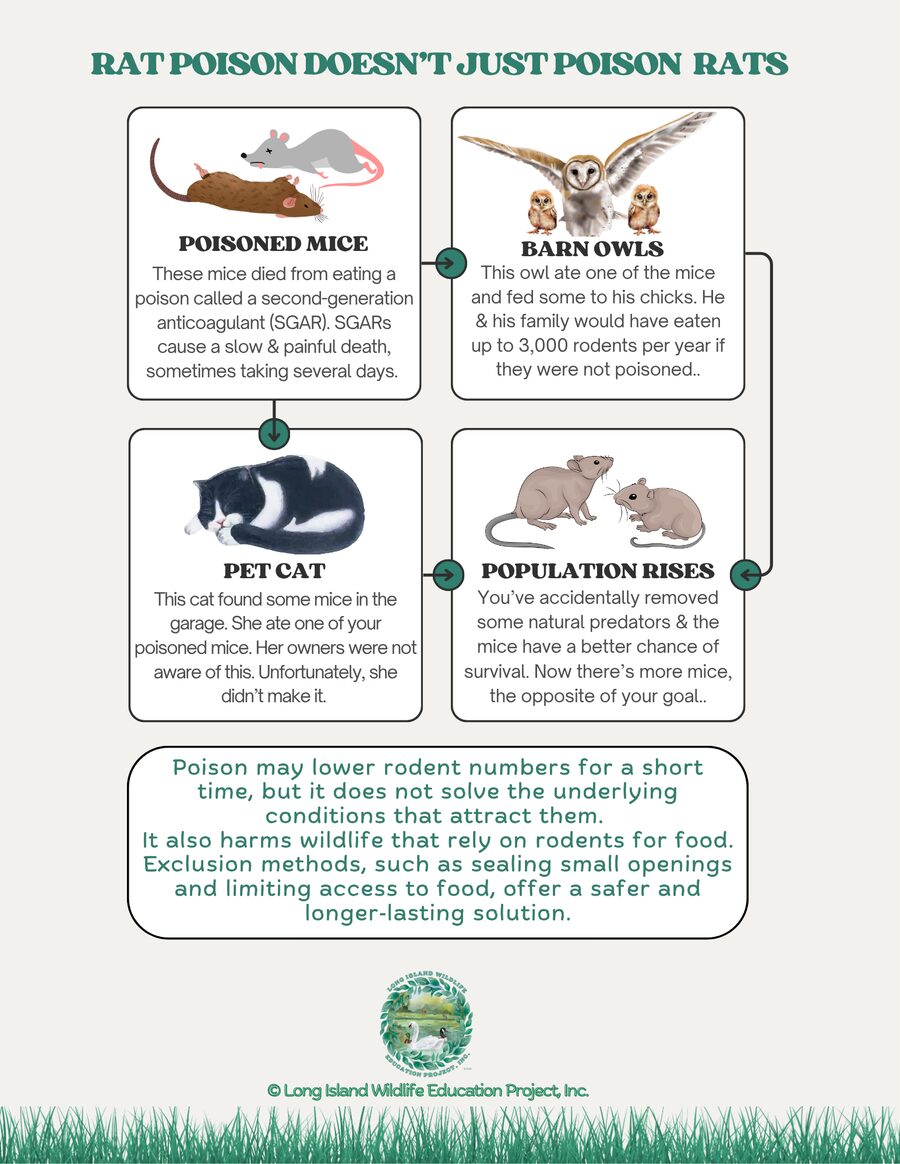
- Avoid rodenticides, which poison the animals up the food chain.
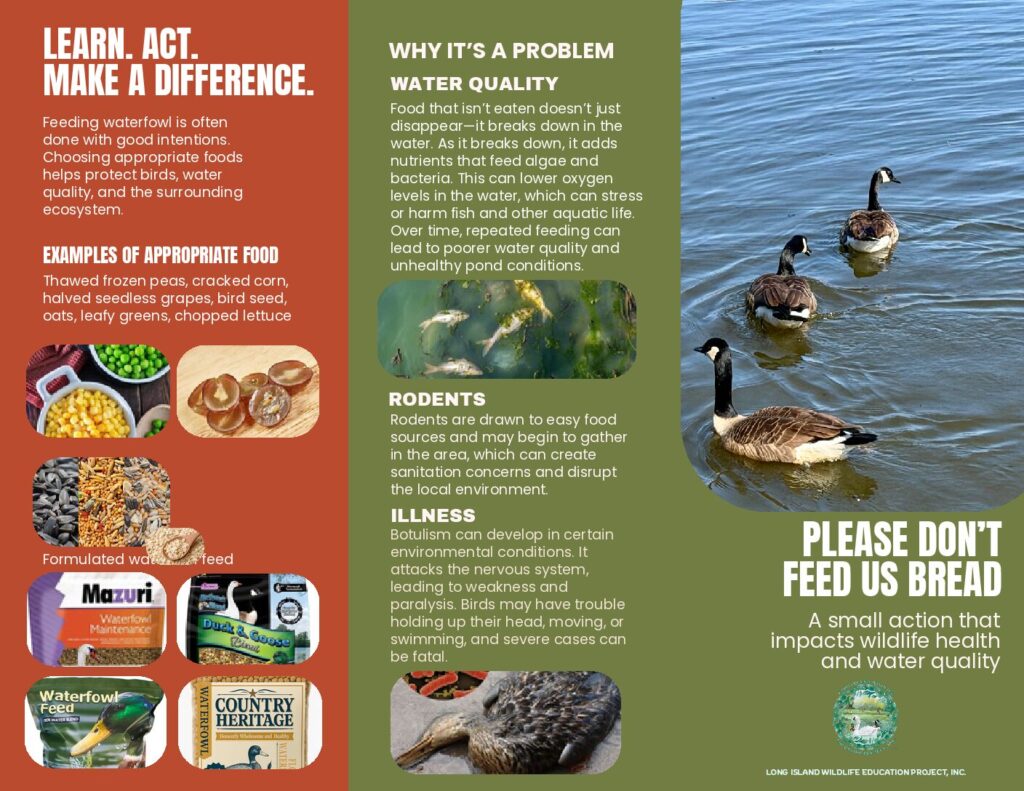
- Give animals space, and never feed wildlife human food.
- Drive carefully near wooded areas and wetlands.
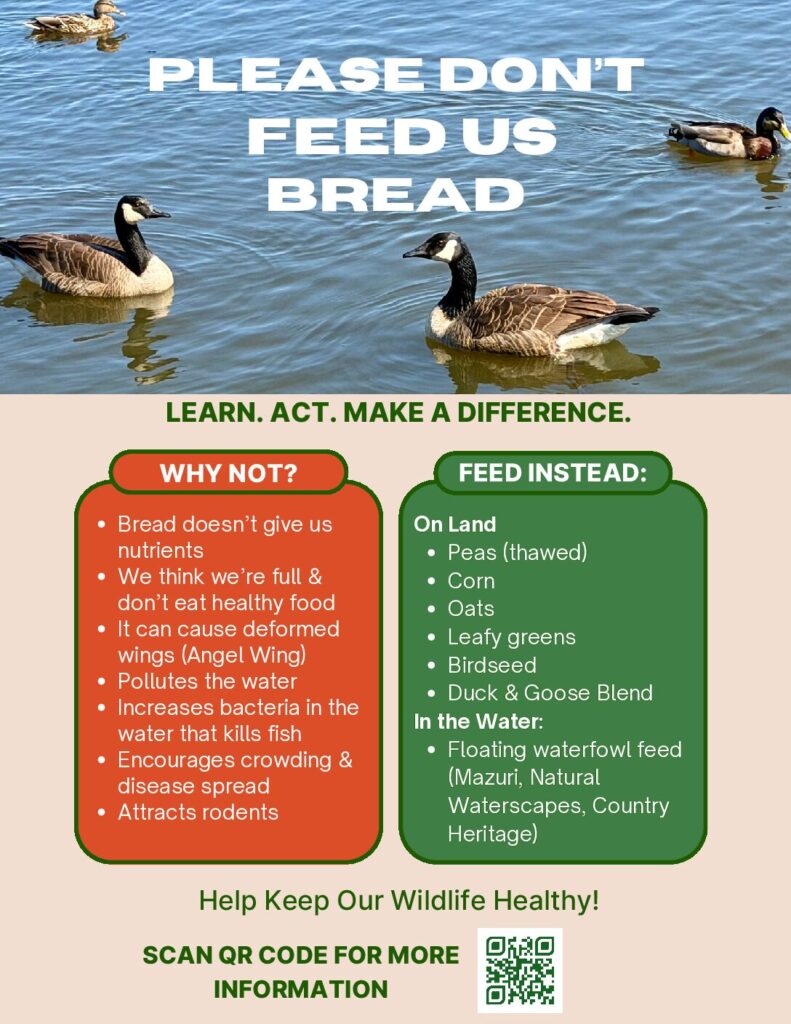
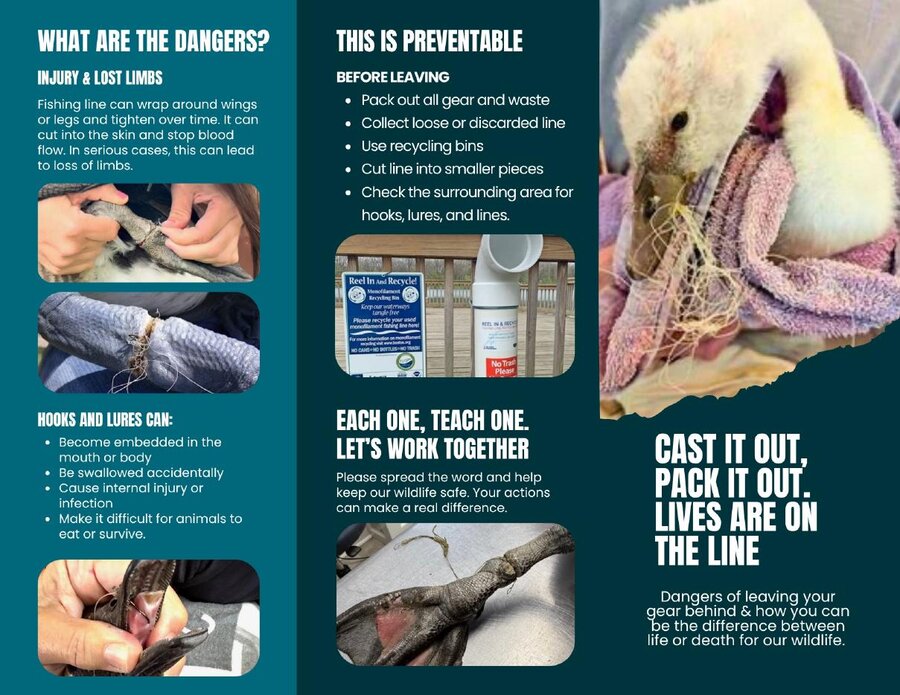
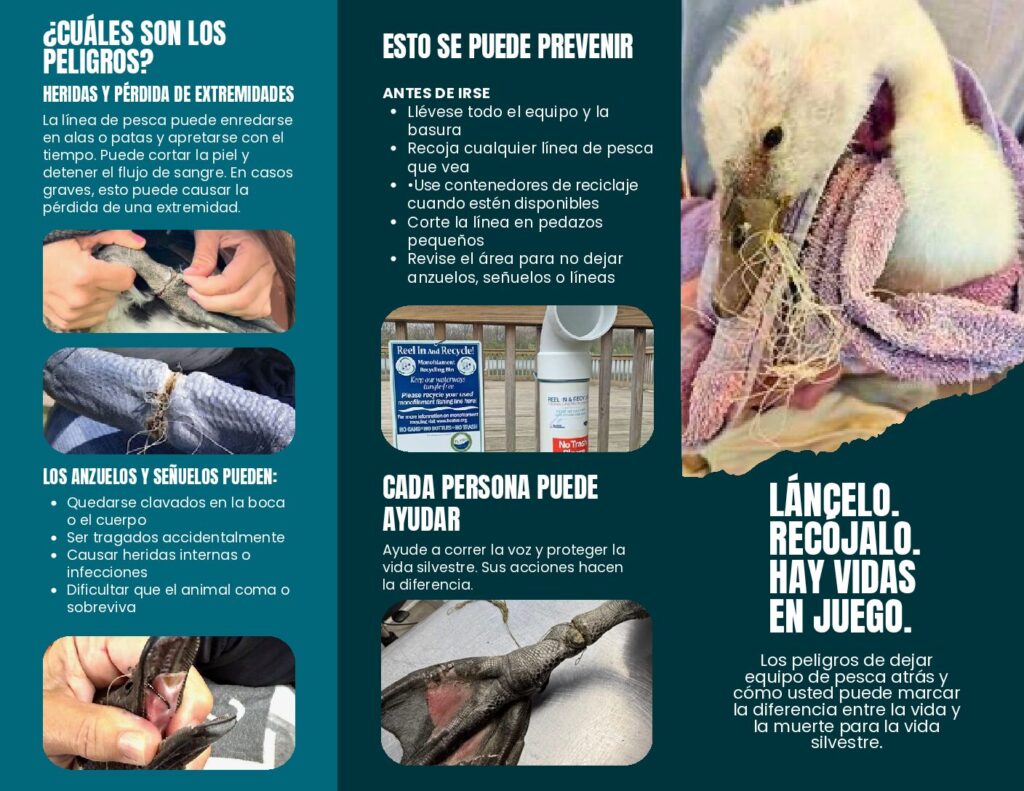
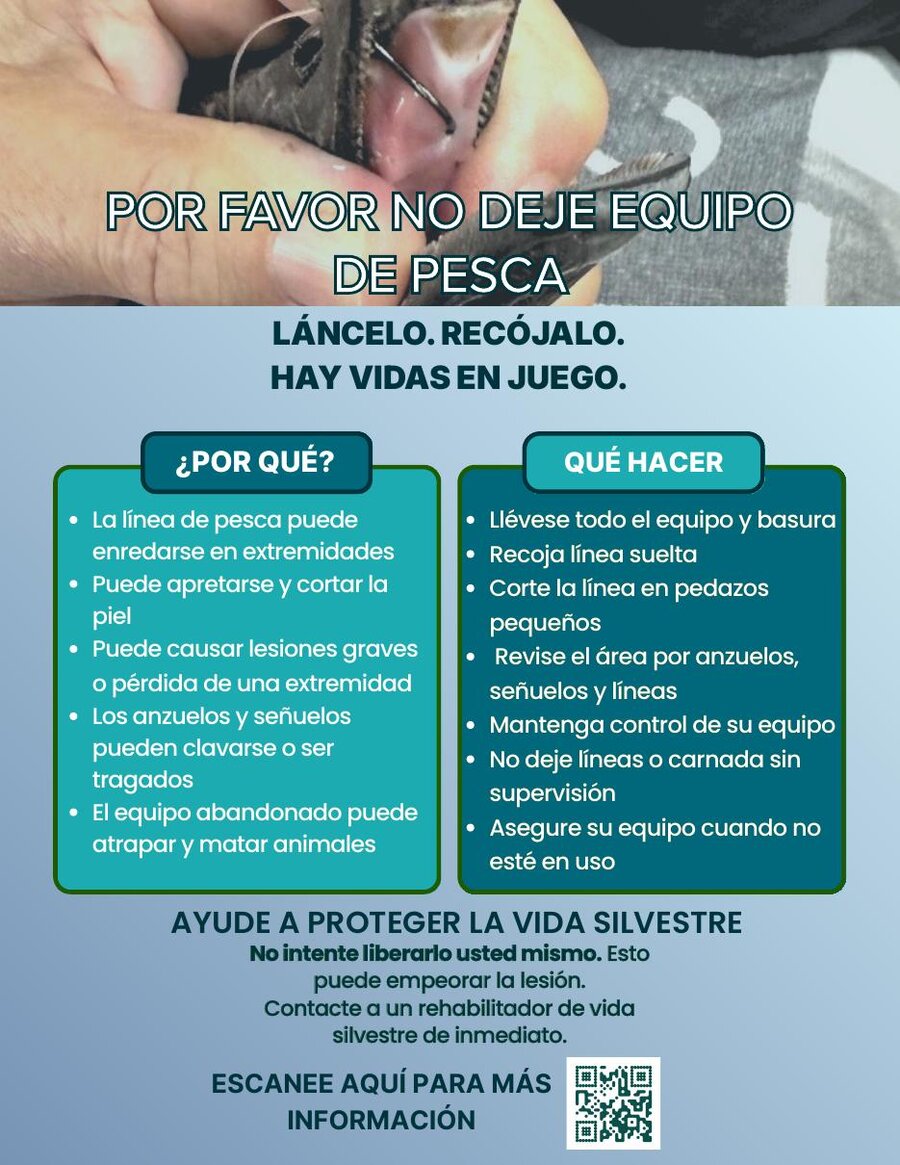
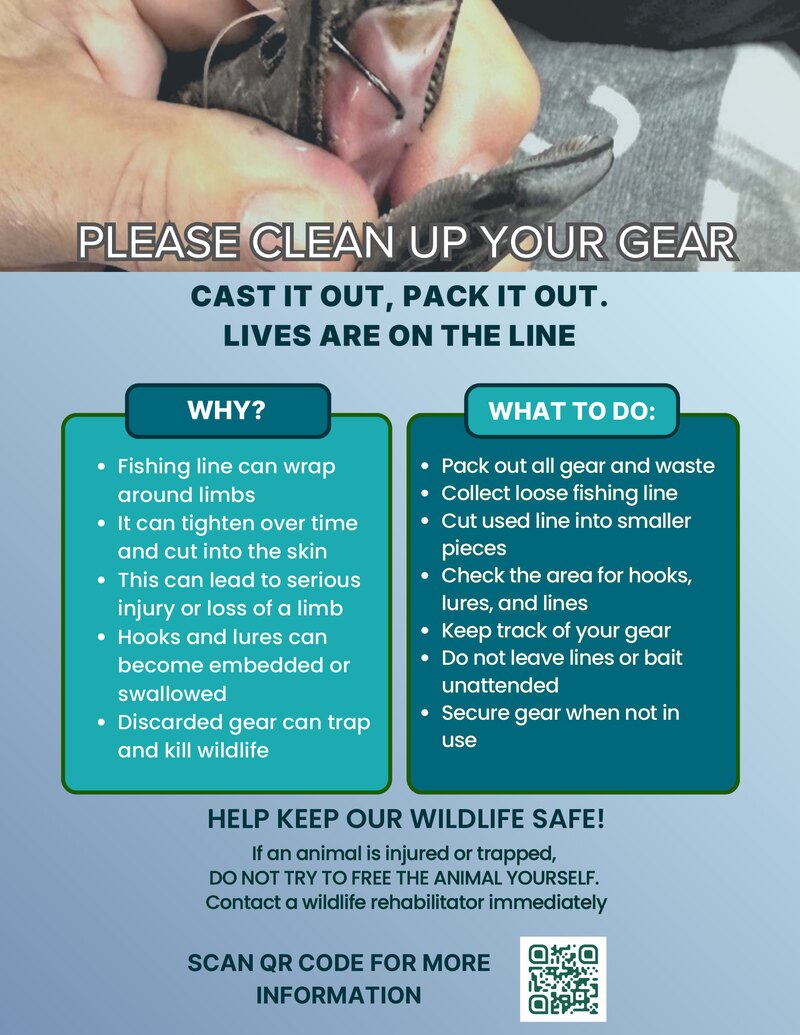
- Cast it out, pack it out. Never leave fishing line behind.
Long Island Wildlife Rehabilitation Centers
- Sweetbriar Nature CenterSmithtown. Wildlife rehabilitation and nature education.
- Wildlife Center of Long IslandHuntington. Wildlife rescue, rehabilitation, and education.
- WINORRWildlife In Need of Rescue and Rehabilitation. Find them on Facebook.
- Evelyn Alexander Wildlife Rescue CenterHampton Bays. Wildlife rescue and rehabilitation on the East End.
- STAR FoundationSave The Animals Rescue Foundation, Middle Island. Wildlife and domestic animal rescue.
- Turtle Rescue of the HamptonsJamesport. Rescue and rehabilitation of Long Island’s turtles.
A starting list of trusted, licensed wildlife rehabilitation organizations.
Community Rescue Groups
- Long Island Emergency Wildlife RescueLong Island rescue community on Facebook.
- NYC Emergency Wildlife RescueNew York City rescue community on Facebook.
- Long Island Wildlife Rescue and RehabilitationLong Island wildlife rescue and rehabilitation community on Facebook.
- Staten Island Wildlife Rescue and RehabStaten Island wildlife rescue and rehab community on Facebook.
- Palomacy Pigeon & Dove RescueInternational group for pigeons and doves, which are domestic and not protected wildlife.
These active Facebook groups connect people with rescuers around the clock. When you post, include your location and a photo or video of the animal, and reply to rescuers so it can be helped as soon as possible.
Our Educational Materials
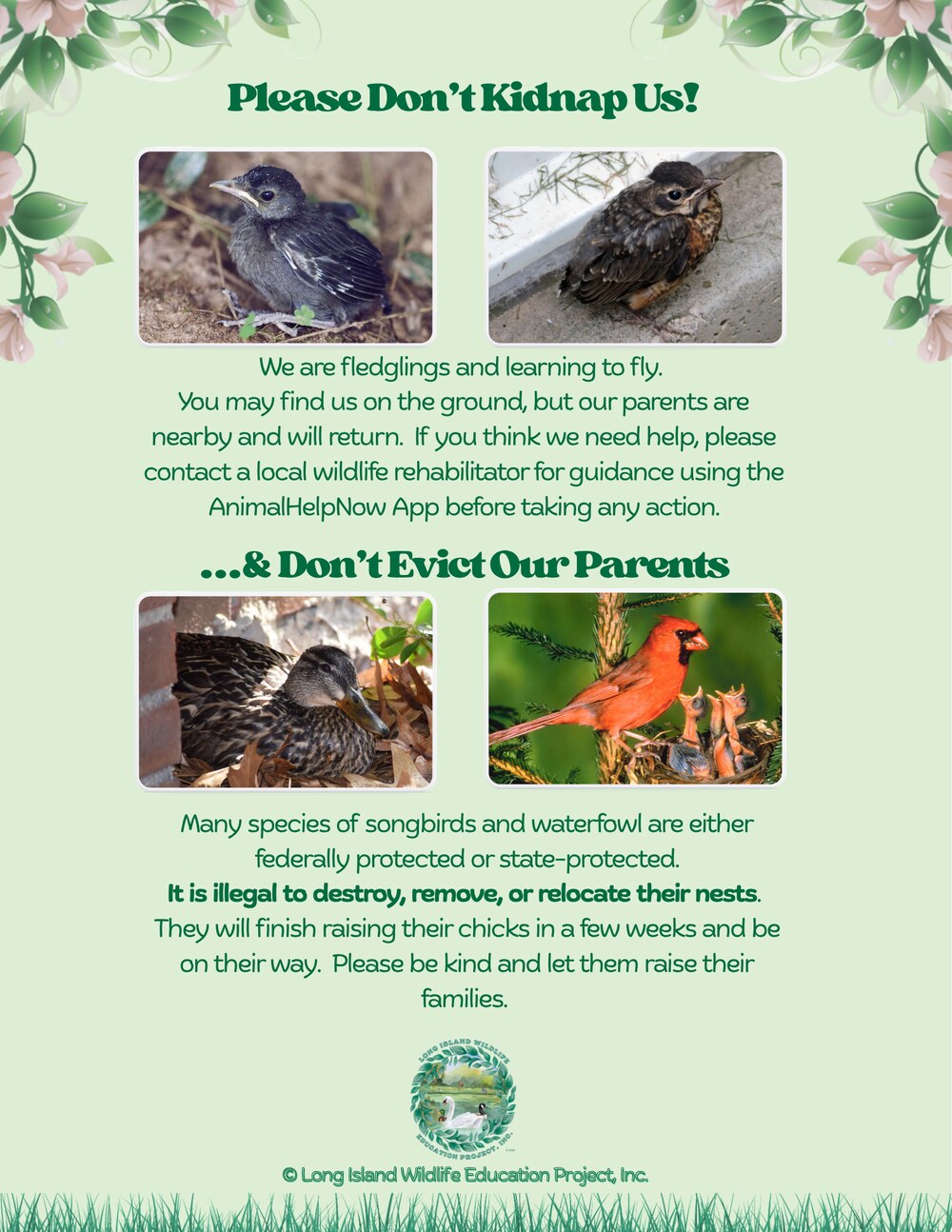
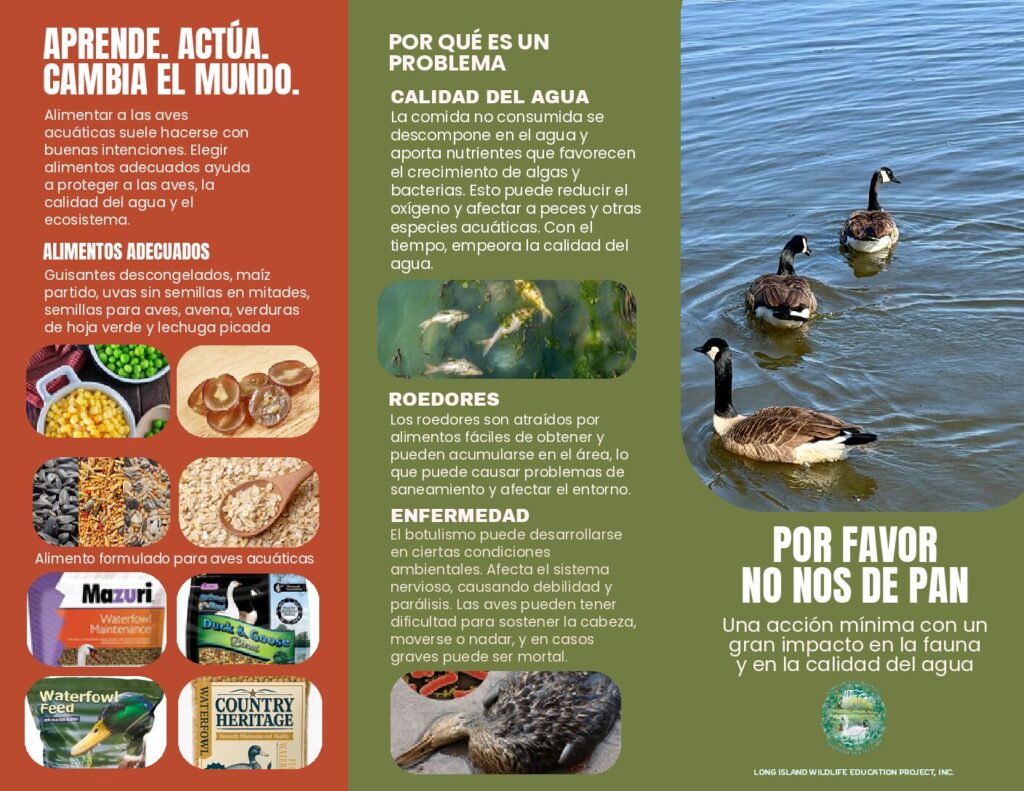
Free guides and resources for your community
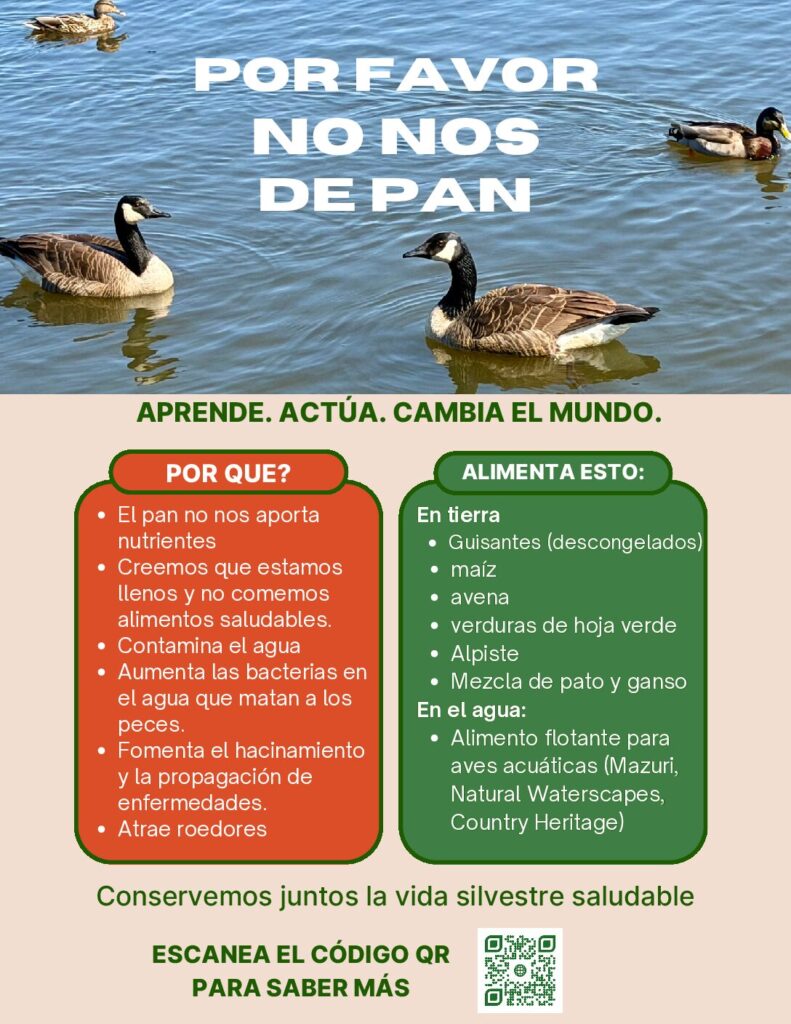
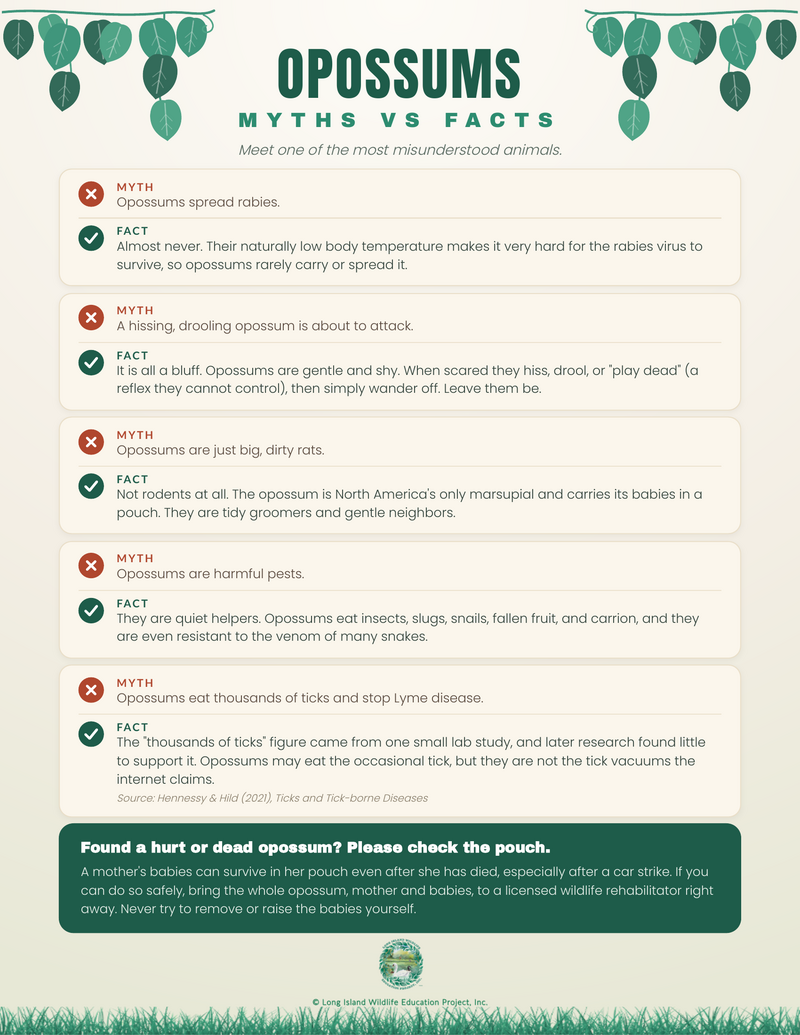
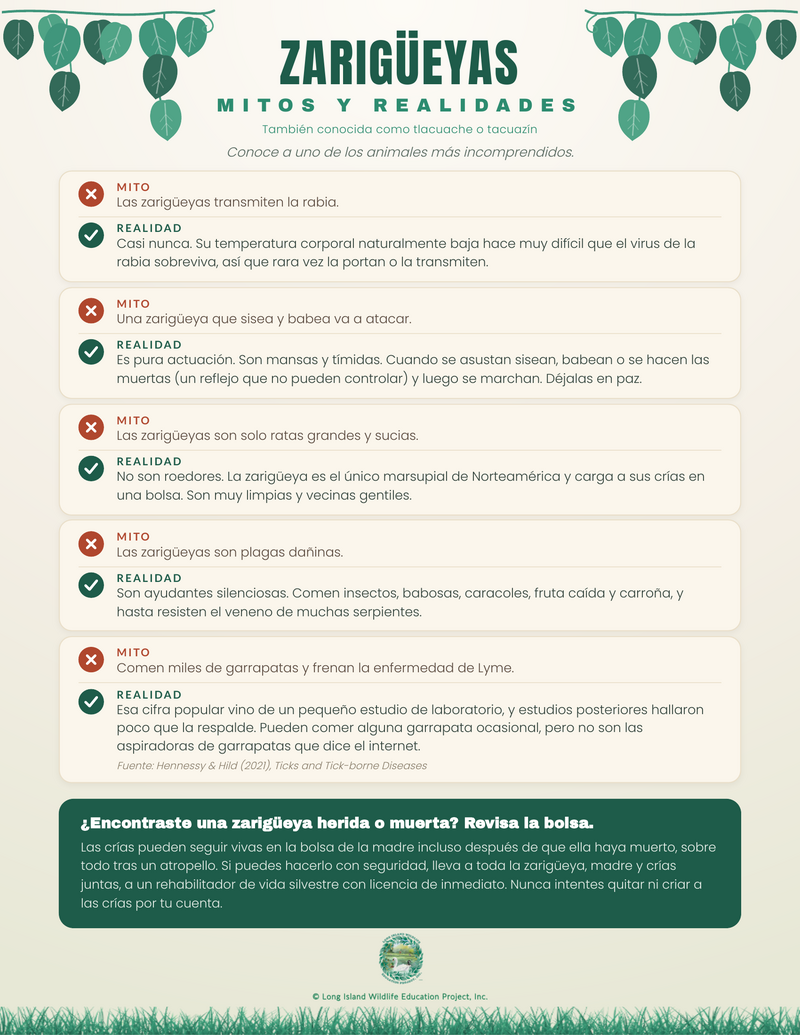
Share these freely. Print them, post them, and help your neighbors become better wildlife stewards.
Our materials are available in English and Spanish. If you need another language, contact us at info@liwepny.org and we will do our best to provide it.
Donate / Get Involved
Support Long Island’s wildlife.
As a 501(c)(3) nonprofit, every gift is tax-deductible, and every dollar makes a real difference.
Where Your Gift Goes
Produces and distributes educational materials to a classroom or community group.
Supports a Wildlife Hero of the Month and the animals in their care.
Helps fund a wildlife education program or community event.
Other Ways to Get Involved
Wildlife Hero of the Month
Celebrating the people who give wildlife a second chance.
Long Island’s wildlife rehabbers, rescuers, and transporters are all volunteers who rely on donations. They open their homes, fill their cars, and give their own time and money so injured and orphaned animals get a second chance. Each month we shine a light on this work and honor one of these everyday heroes. As our community-funded Wildlife Hero Fund grows, so does the gift we can send them toward the supplies and veterinary care the animals need. The more our community gives, the more we can give back.
Nominate
Anyone can nominate a rehabber, rescuer, or transporter who goes above and beyond.
Get featured
Nominees are shared on our website and social media.
By the 20th
Nominations are due by the 20th of the month to be considered for the following month.
Announced on the 1st
Each month’s Wildlife Hero is revealed on the first of the month.
Awarded
As the community-funded Wildlife Hero Fund grows, the honoree receives a gift toward supplies and veterinary care. Every donation makes it bigger.
To spread the recognition as widely as we can, a person can be honored only once every six months.
Shop
Wear your support.
Every shirt is printed on demand and ships right to you, and every purchase helps fund wildlife education across Long Island and the licensed rehabilitators who care for the animals.
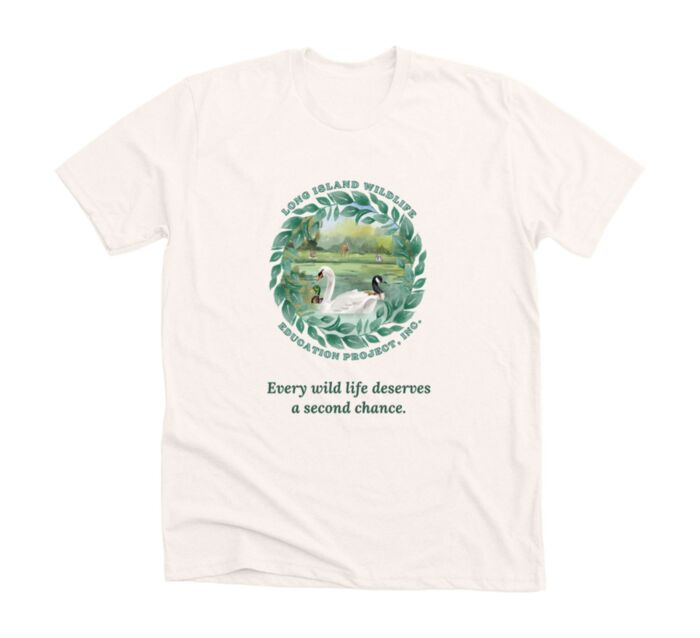
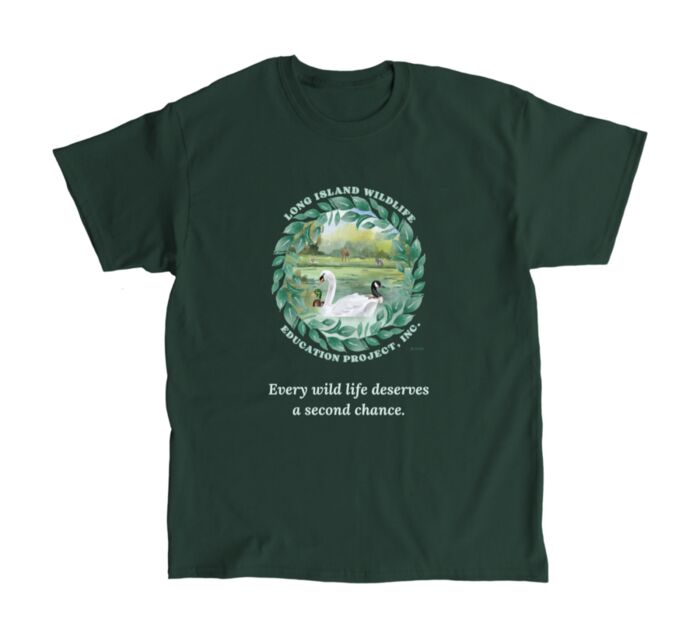
Shirts are printed and shipped by Bonfire. Each design opens in its own store, where you can choose your size and color.
Volunteer
Lend your time to Long Island’s wildlife.
We are a volunteer-powered organization, and we would love your help. Right now we especially need people to create educational materials and to run our social media, but there is a place for every skill and schedule.